
Radon in Fargo: more common than not
Radon is a natural radioactive gas that comes from uranium breaking down in soil and rock. It has no color, smell or taste. It seeps up from the ground and into homes through floor cracks, sump pits, utility openings and gaps where basement walls meet the floor.
North Dakota stands out. According to the North Dakota Department of Environmental Quality (DEQ), about 63 percent of homes in the state have radon above the U.S. EPA action level of 4 picocuries per liter (pCi/L). Every county in North Dakota is classified as Zone 1 on the EPA radon map, the highest-potential category. Across the river, Clay County, Minnesota, is also in Zone 1.
The EPA estimates radon causes about 21,000 lung cancer deaths a year in the United States. It is the leading cause of lung cancer among people who have never smoked and the second leading cause overall. Because the risk builds up over years of breathing it, the most important place to check is your own home.
Why Fargo homes are prone to radon
A few things about our area work together:
- Basements. Most Fargo-Moorhead homes have basements, and basements sit right against the soil where radon comes from.
- Long heating seasons. When the furnace runs and warm air rises, the house pulls in air from below, a pattern called the stack effect. Fargo winters keep that going for months.
- Tight, closed-up houses. Energy-efficient homes with windows shut all winter give radon fewer ways to escape.
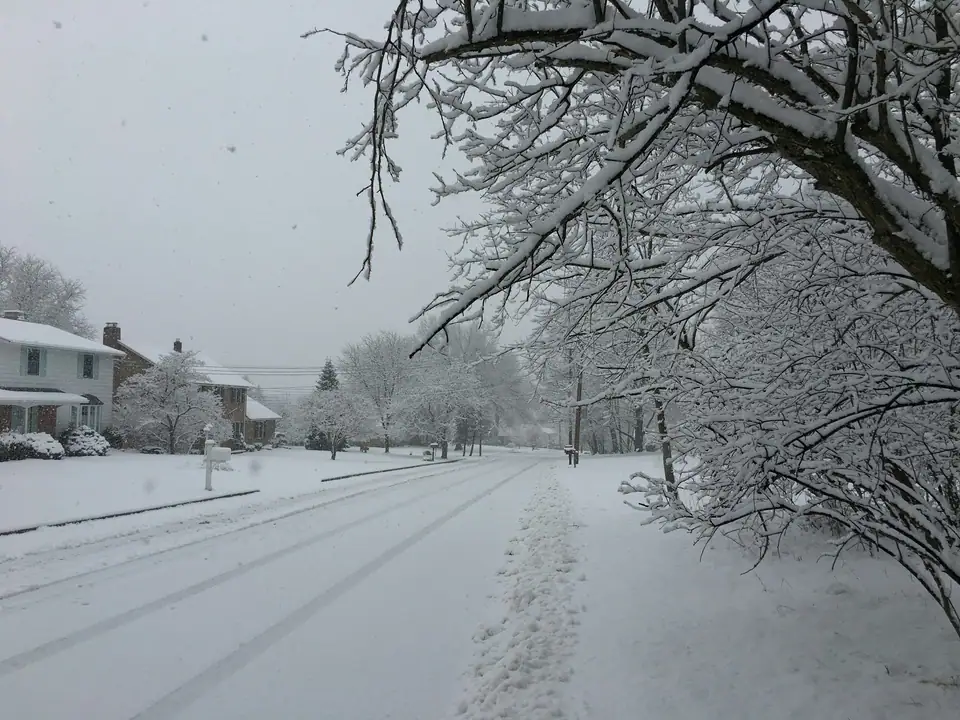
- Frozen and snow-covered ground. When the surface soil is frozen, soil gas has fewer places to vent outdoors, and more of it can end up under and around your foundation.
None of this means every home is high. It means you shouldn't assume yours is fine. Testing is cheap and simple.
Step one: test
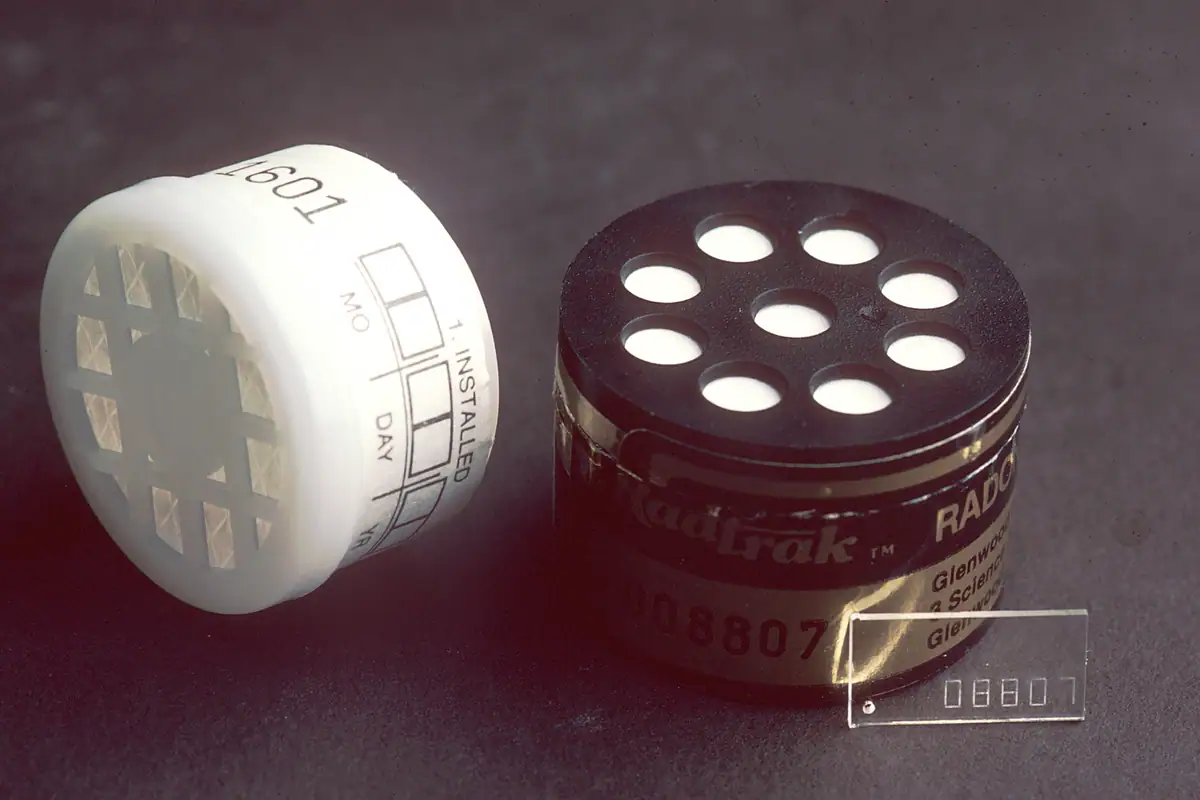
A short-term test (2 to 90 days) is the fastest way to start. Place it in the lowest level you regularly use, usually the basement, and keep windows and outside doors closed for 12 hours before and during the test. Winter is a natural time to test in Fargo, since the house is already closed up. A long-term test (more than 90 days) gives a better picture of your year-round average.
If your result is 4 pCi/L or higher, the EPA recommends confirming it with a follow-up test and then fixing the home. Read more about radon testing in Fargo.
Step two: install a mitigation system
The standard fix is sub-slab depressurization. A certified installer drills a hole through the basement floor, creates a small pit underneath, and connects a PVC pipe and fan. The fan keeps a gentle vacuum under the slab, so radon is drawn out from under the house and vented above the roof instead of rising into your rooms. The sump pit gets an airtight lid, and major cracks are sealed.
In the Fargo area, a good design also has to deal with two local challenges:
- Heavy clay soils. The Red River Valley sits on the bed of ancient glacial Lake Agassiz, and much of it is dense clay. Air doesn't move easily through clay, so some homes need more than one suction point or a stronger fan. Many Fargo basements have perimeter drain tile tied into a sump, which installers can often use to extend suction.
- Cold weather. Soil gas is warm and humid. In a Fargo January, that means condensation and frost in pipes and at the exhaust. Experienced installers slope pipes to drain condensation, insulate or reroute exterior pipes, and place fans and exhausts to limit icing.
Learn how these systems work on our radon mitigation systems page.
What does it cost?
For a typical Fargo-area home with a basement and one or two suction points, our estimate of the usual installed price is roughly $900 to $2,000. That is an estimate, not a quote. Clay soil, interior pipe routes, crawl spaces under additions and Minnesota's state system tag can all affect the final number. See the full Fargo radon mitigation cost guide.
Buying or selling a home?
Radon testing is a routine part of many Fargo-Moorhead home inspections. In Minnesota, the Radon Awareness Act requires sellers to disclose what they know about radon in the home and to give buyers a radon warning statement and Minnesota Department of Health radon information. In North Dakota, a 2025 law (N.D.C.C. 47-10-02.2) requires sellers to disclose in writing any prior radon test results and mitigation they know about, and many buyers test during the inspection period. Either way, a certified professional can test quickly and, if needed, install a system before closing. See radon for home sales.
Choosing a radon professional
Rules differ depending on which side of the Red River you live on:
- Moorhead and Dilworth (Minnesota): radon mitigation must be done by professionals licensed by the Minnesota Department of Health, and each new system gets an MDH tag.
- Fargo, West Fargo, Horace and Casselton (North Dakota): the North Dakota DEQ recommends hiring a professional certified through a national program such as NRPP or NRSB.
Through this site, your request goes to an independent, certified local radon professional who serves your area. Before you sign, ask for their certification or license number, a written quote naming the fan and pipe route, and details of follow-up testing and warranties. Read how our referral service works.
Sources: North Dakota Department of Environmental Quality radon fact sheet; U.S. EPA, A Citizen's Guide to Radon and EPA radon zone maps; Minnesota Department of Health radon licensing; Minnesota Radon Awareness Act. Cost figures are our estimates.